Trust-led website
Create clear service information, local relevance and a reassuring path to make an enquiry.

Home care decisions are personal, high-trust and often made by family members comparing several providers. The marketing should answer practical questions, communicate credibility and make follow-up feel dependable.

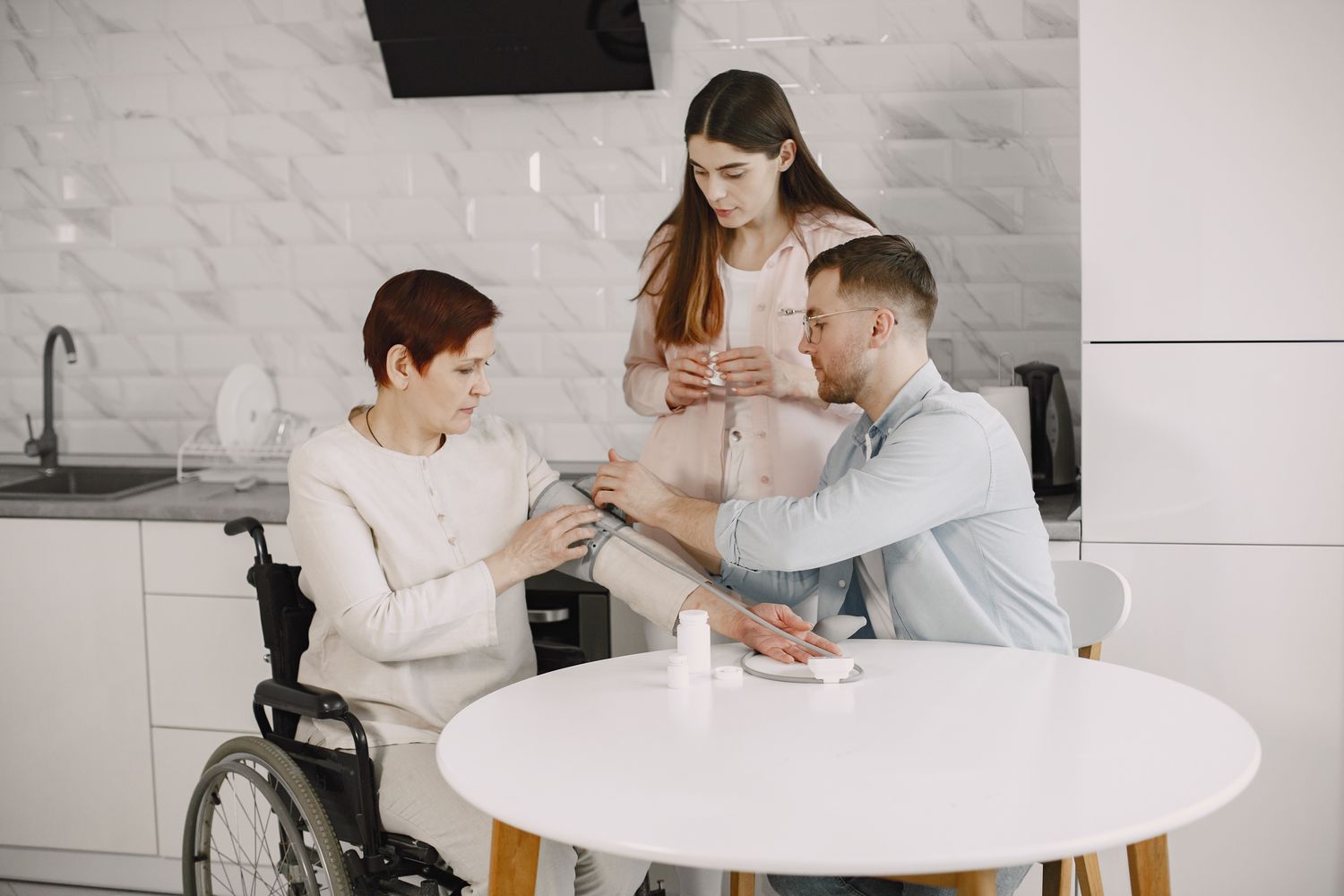
Home care is not a quick commodity purchase. Families are evaluating whether the agency feels dependable, whether the services fit the situation and whether someone will respond thoughtfully when they reach out.
Service types, coverage area, process and next steps should be easy to understand without unnecessary jargon.
Reviews, team credibility, clear communication and a professional site matter because the decision affects a loved one.
Enquiries may take time to turn into a decision, so CRM discipline and respectful follow-up matter.
Families often search for care near a specific person or household, which makes local SEO and Maps visibility important.
The exact mix depends on the company’s current position, capacity, service mix and geography, but these areas usually carry the most weight in this market.
Create clear service information, local relevance and a reassuring path to make an enquiry.
Build visibility around the services and areas the agency genuinely covers.
Use practical, helpful content around choosing care, service differences and common concerns.
Track enquiries, follow up consistently and make sure important family conversations do not get lost.
Home care decisions are personal and often involve several family members. Marketing has to answer practical questions while making the agency feel dependable over a longer decision process.
Service pages and FAQs should explain the kind of care offered, who it is for, where it is available and what the first conversation looks like.
Reviews, clear process, professional presentation and useful educational content build more confidence than vague “compassionate care” language on its own.
Enquiries may not convert immediately. A respectful CRM process keeps the family supported without turning a sensitive decision into aggressive sales pressure.

Home care marketing should feel human and specific. The strongest message usually helps a family understand what support looks like rather than simply advertising availability.
The marketing is only valuable if the enquiry has a clear path forward.
Families discover local options through Google, Maps and referrals.
Services, reviews and credibility help narrow the shortlist.
The agency captures the situation and the type of support being considered.
Consistent communication helps the family make a decision over time.
Positive experiences strengthen trust for future families.
These are the capabilities we would most commonly evaluate for this type of business. The final scope should still be based on the actual bottleneck.
Families are not choosing a commodity. They are deciding who they can trust around someone they care about.
The marketing should reduce uncertainty before the first conversation.
Often both the person receiving care and the family member helping make the decision. Messaging should reflect the actual buying process of the agency’s market.
Yes. Families frequently search for providers in a specific city or area, making location relevance and Google Business Profile visibility important.
Home care decisions can take time and involve several family members. Consistent, respectful follow-up helps good enquiries stay active.
Yes, when handled appropriately. Reviews and responses can strengthen trust, but workflows should respect privacy and the sensitivity of the service.
We can audit the current setup, identify the biggest gaps and recommend the work that makes sense first.
Get a Free Marketing Audit