Emergency SEO
Build service and local relevance around urgent restoration searches without creating thin or repetitive pages.

Restoration demand is urgent. Search visibility and response speed matter more because the customer is often looking for help now, not researching a project for next month.


Restoration is one of the clearest examples of why acquisition and response have to work together. A strong ad or ranking has little value if an emergency call is missed or routed slowly.
Google Search, Maps and emergency service pages carry more weight when the customer needs immediate help.
Call handling and routing should support the urgency promised by the marketing.
Reviews, certifications or service credentials when applicable, service area and process clarity should be easy to verify.
Water, fire, mold and other restoration services should be represented according to what the company actually provides.
The exact mix depends on the company’s current position, capacity, service mix and geography, but these areas usually carry the most weight in this market.
Build service and local relevance around urgent restoration searches without creating thin or repetitive pages.
Use tightly controlled paid search to capture urgent intent in the service areas the company can actually cover.
Mobile pages should make calling, service scope and coverage easy to understand under pressure.
AI reception or other response workflows can help reduce missed opportunities when configured around real operating rules.
Restoration is an urgency market. Visibility matters, but the value disappears quickly if the call path, routing and next step cannot keep up with the customer’s situation.
Water, fire, mold and storm-related searches can behave differently and should map to the services the company truly handles.
Call-focused landing pages, after-hours handling and clear service-area information are more important here than decorative website complexity.
Google Ads can create immediate demand, but budgets should be aligned with actual availability, service radius and the team’s ability to respond.
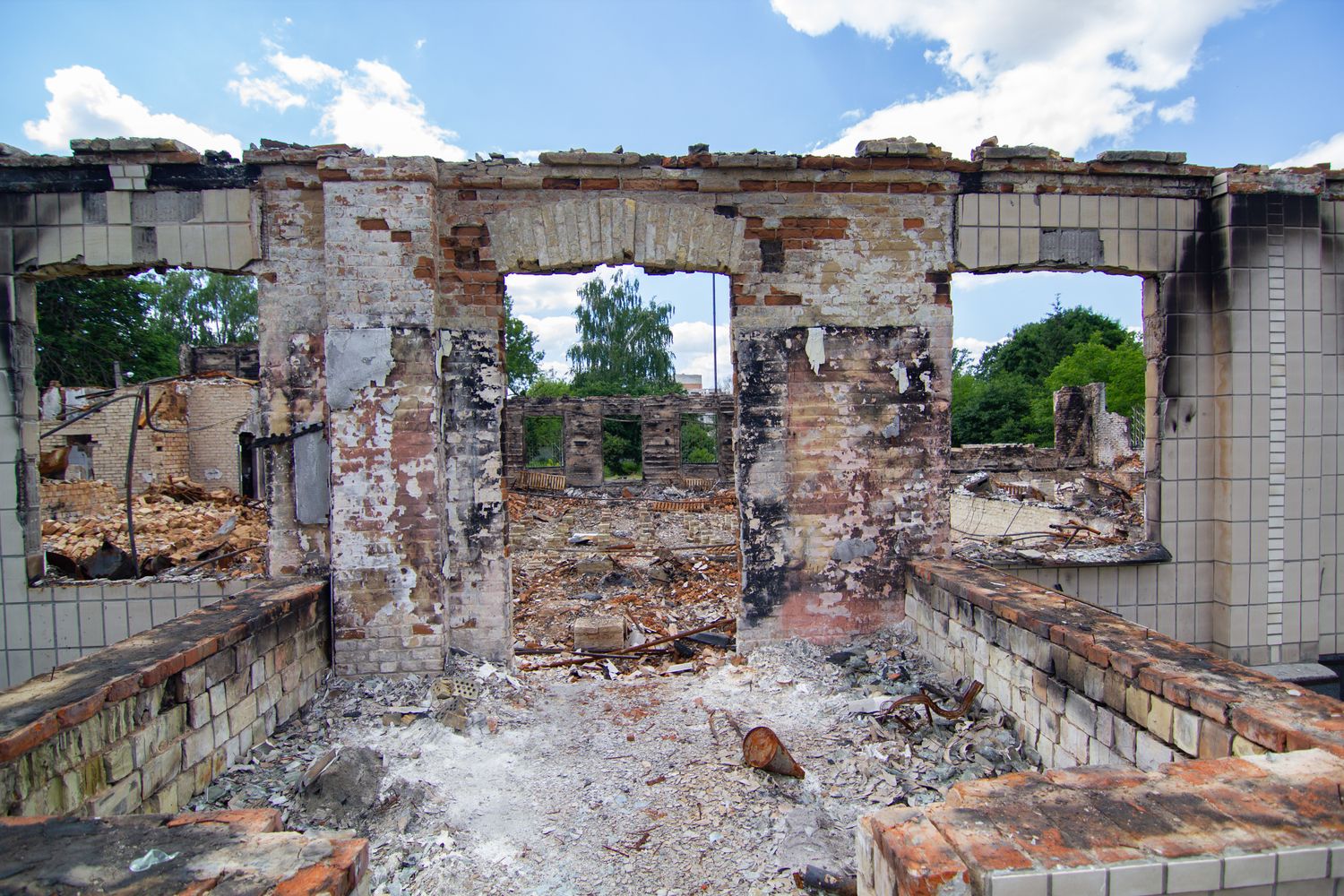
For restoration companies, speed and credibility should be visible before the customer ever speaks to someone. The digital experience has to feel ready for the situation.
The marketing is only valuable if the enquiry has a clear path forward.
Google, Maps and paid search capture the moment of need.
The customer needs an immediate and obvious way to reach the company.
The enquiry is captured, qualified and sent to the right person or process.
Clear expectations and communication support the job itself.
Completed work strengthens trust for the next emergency search.
These are the capabilities we would most commonly evaluate for this type of business. The final scope should still be based on the actual bottleneck.
In restoration, the first qualified company to respond clearly can have a major advantage before the customer ever compares websites in depth.
Emergency demand makes operations and marketing inseparable.
Because the search is often urgent. The value of strong visibility drops quickly if the customer cannot reach someone or get a useful next step.
They can complement each other. Paid search can capture immediate intent while organic visibility compounds over time.
It can support capture, approved questions and routing when carefully configured, but the workflow has to match the company’s real emergency-response process.
Not necessarily. Distinct services with distinct search intent usually deserve clear coverage, while overlapping variations should be consolidated.
We can audit the current setup, identify the biggest gaps and recommend the work that makes sense first.
Get a Free Marketing Audit